


From the Pearl River Delta to Otago’s fields of gold...
By Bronwyn Wylie-Gibb | Posted: Wednesday Aug 26, 2026
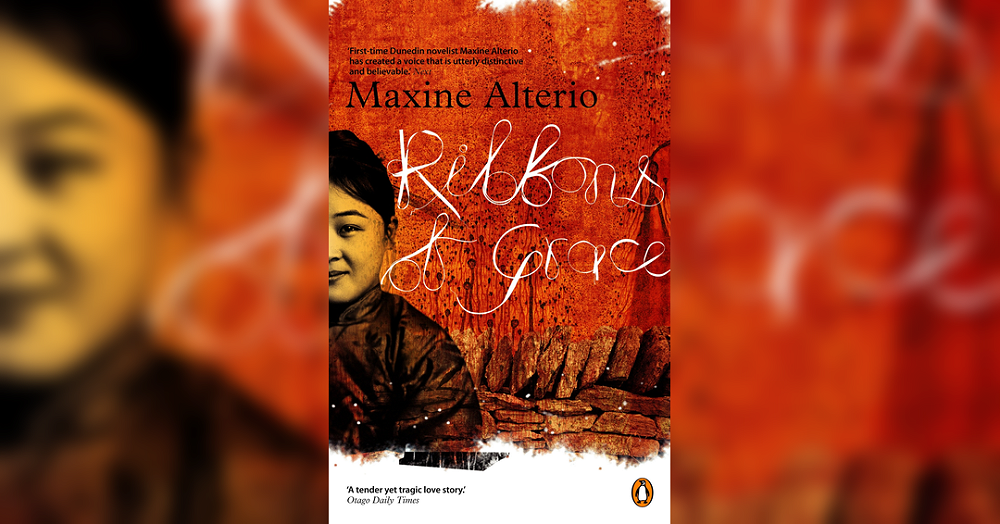
Ribbons of Grace by Maxine Alterio (Penguin New Zealand, 2008)
This is a such a good read, a fascinating story beautifully written that will leave you really satisfied and also diving down several internet rabbit holes after more information about the places, times and lives which inspired and informed Alterio’s expressive evocation of gold rush era 1860s Otago.
Ming Yuet, a young Chinese woman running from abuse, assumes her murdered brother’s identity and boards a ship on the Pearl River (in Guangdong province) for the ports on the West Coast of New Zealand. Successfully landing, still dressed as a man she gets work in the exciting, frightening and harsh goldfields of Central Otago where she meets stonemason Conran who is himself on the run from traumatic events in Orkney. They slowly start to create a small, calm pocket in the world for themselves but their obvious connection and attachment to each other attracts dangerous attention because they are crossing racial lines and they are both thought to be men. It was illegal at the time for Chinese women to enter New Zealand so Ming Yuet is unable to reveal herself.
The New Zealand Government vigorously pursued ‘white settlement’ policies and used various levers to restrict Chinese women from joining their husbands, to prevent Chinese families from establishing themselves. Chinese men had been brought to the country to work in the goldfields when many of the European miners left for the American West Coast goldfields, the Chinese men were expected to return to China. These restrictive, racist policies and levers were not fully dismantled until the mid-1980s. There are various contemporary reports of women being discovered in disguise on boats arriving from China in the 1860s and being sent back, so we know that perhaps some of them, like Ming Yuet, may have got through. Alterio has carefully and compellingly imagined what life might have been like for such a person, who may or may not have been able/wanted to resume her original identity.
The story is told from the points of view of Ming Yuet and Conran, and also Ida, a nurse from England who befriends them. It's an interesting way to arrange the book, seeing the various events from three different cultural understandings. Alterio’s lyrical descriptions of the spare and beautiful Central Otago landscape, all big skies and extreme weather, icy water, rocks and poppies (blooming from seeds brought on Californian miners’ boots) create a real sense of the landscape, alien to all three characters. Alterio adroitly summons up the harsh conditions of the gold fields and the boisterous, volatile Arrowtown of the 1860s, a frontier town heaving with miners, merchants, chancers and rascals flocking from around the world to the newly discovered gold fields.
The author includes an afterword that grounds her story in a possible reality, that makes you gasp with surprise and leaves you wondering...
Ribbons of Grace was published in 2008 by Penguin NZ. In mid-2026 it is available to buy as a paperback through your local bookshop and as an ebook from the usual suppliers.
Find this book and over 3000 others in the Dunedin City of Literature Collection at Dunedin Public Libraries.
Bronwyn Wylie-Gibb worked in independent bookshops in Aotearoa and the UK for over 34 years, as a bookseller and book buyer. She lives and reads in Dunedin.