




Pointed cultural questions asked in vivid memoir from NZ broadcasting pioneer
By Mary Egan Publishing | Posted: Wednesday Nov 18, 2026
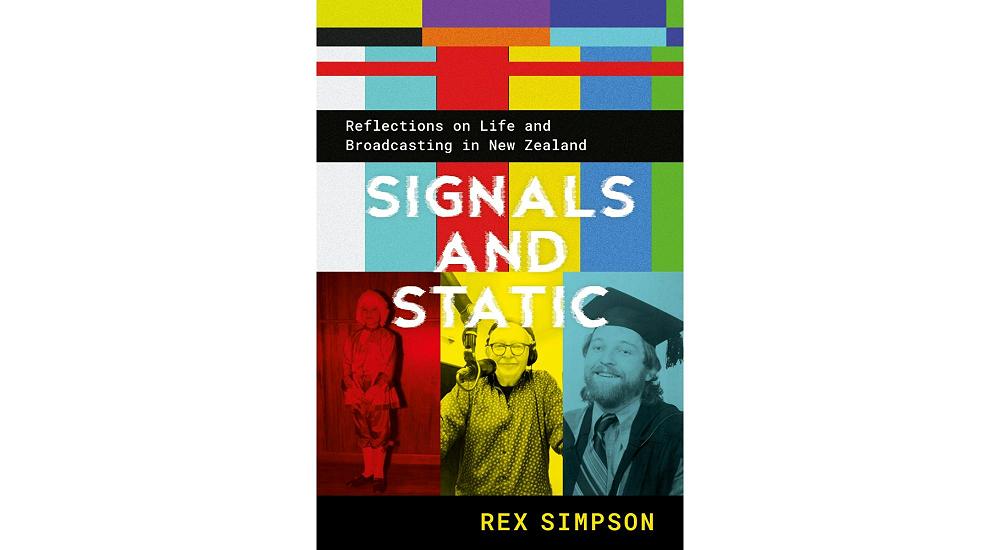
Rex Simpson, former New Zealand television producer and radio host, examines the importance of protecting our cultural integrity and other issues in his memoir, Signals and Static, out 18 November from Mary Egan Publishing.
In Signals and Static, Simpson reflects on his five decades in broadcasting, saying such reflection isn’t just about reviewing past mistakes or reminiscing on past successes; it’s about understanding your journey, learning from your experiences, and using those lessons to shape a more intentional and meaningful future.
“Culturally, I look where we were and how we have got to where we are today. Recent research shows the majority of New Zealanders like seeing New Zealand faces and places on-screen but are there enough locally made productions being made? Do we trust whether tools like AI enable or inhibit the wider media system?”
Adopted as a child and raised by Scottish immigrant parents in rural Māori communities in Northland during the 1950s, Simpson says his early years laid the foundations for a life in storytelling. For more than five decades, he helped shape the sound and screens of a nation. From Play School and What Now? to Nice One Stu and How’z That?, he was there as local television came of age, navigating creative risk, big personalities and the relentless pressure of live production.
While primarily about New Zealand television, in the 1970s, '80s and '90s,Signals and Static also covers a unique period of innovation and social change.
“I have lived through two centuries, from phone box telephones to video calls worldwide from my mobile phone, from an analogue childhood to a digital adult. I have worked through the best of media times, both with television and radio, from state owned broadcasters funded through a licence fee with largely New Zealand content, to a deregulated landscape of independent broadcasters’ struggling to compete against the invasion of on-line, offshore information and entertainment options. I am of the generation that has had to adapt to change, living through and witnessing more than any other.
“Growing up, television was not just a source of family entertainment, but a force that reshaped cultural and social perspectives. More than a personal history, Signals and Static is the story of a country finding its voice. As a producer, radio personality and later a local body politician during turbulent times on the Coromandel, I witnessed first-hand the growing pains of a changing New Zealand.”
Simpson says the initial idea was prompted by an interview with Jesse Mulligan on Radio New Zealand celebrating forty years on air for the children’s TV show ‘What Now?’ He recalls telling Mulligan how the show’s format developed through a process of trial and error, success and failure, practise and persistence.
“That’s what started this journey of self-discovery. Where do ideas come from? What are the building blocks of creativity? Now Signals and Static traces how my life experiences shaped a career built on creativity, resilience and self-belief.”
Simpson acknowledges the mindful courage needed to stand and confront patterns of repeated behaviours and responses, without judgement or blame.
“I believe Signals and Static interests those curious about the history and evolution of television and radio in New Zealand and the question: what and who shapes our identity? Also viewers who grew up with What Now?, how the programme came about and why it’s lasted so many years on screen..”
Simpson has lived all over New Zealand, from Auckland and the Far North to Gisborne, Waikato and Dunedin. He’s been a TV producer, studio director, radio programme director, radio host, mentor, restaurateur, night club owner and district councillor, before hanging up his headphones from his last radio role and retiring to Ghana in 2023.
Signals and Static is out 18 November and available from your local bookseller. The 286 page paperback features six four-page picture inserts and retails for $40.