The ants are on the move, the vavanati is coming...
By Bronwyn Wylie-Gibb | Posted: Friday Jun 12, 2026
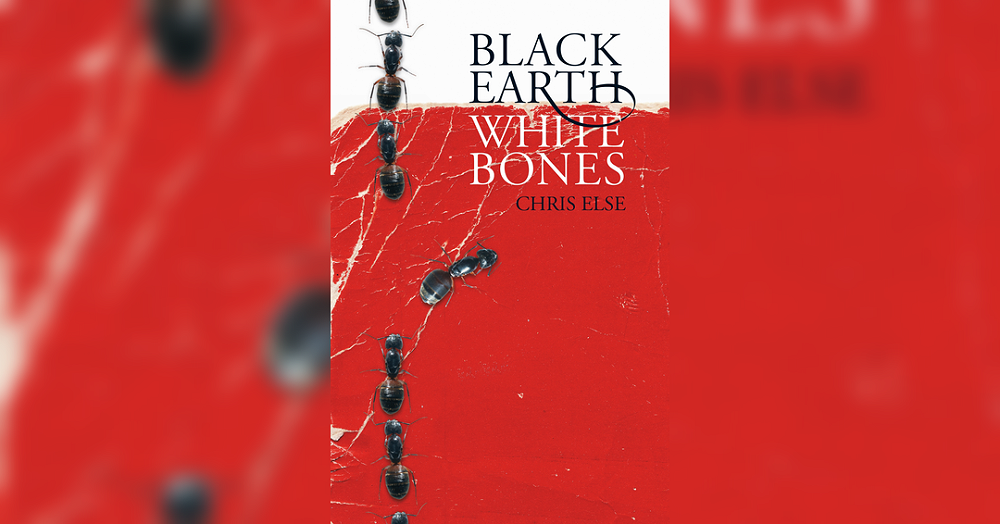
Black Earth White Bones by Chris Else (Vintage/Random House NZ, 2007)
Dunedin-based author Chris Else’s fifth novel is set in the South Pacific world of Ventiak, its a very satisfying read, the writing is masterful and assured, the characters well observed, the plot by turns curious, thrilling, funny and original. Ventiak is a wonderfully real creation, this wholly invented place, people, language and culture is informed by the sort of history that is common to many Pasifika countries: a complex, nuanced society has undergone a colonial then a post-colonial process and now supports its independence with tourism and the exploitation of a natural resource, in this case phosphate.
The despoliation of the phosphate industry is confined to a particular island, the main island we spend most time on is the ideal of a holiday island (of course, life for those who are resident is more complex than visitors may realise): beautiful landscapes, exotic birds and animals, a lively township, interesting, friendly locals and ants – lots of ants. Every few years the mysterious vavanati or the Rage occurs, many millions of ants rampage over the island, eating what doesn’t move fast enough, battling each other for space and resources.
New Zealand ex-pat Kit Wallace has washed up here, living amongst a motley collection of other ex-pats in the sort of old hotel you might find even now in any Anglo-colonised hot and sticky place like India, Malaysia, Kenya or any several Pacific islands. Its the early 2000s but this lifestyle could be any time after the 20th century’s great dismantling of Empire, a hotel and hotel bar full of the ragtag and bobtail remnants of colonial life. Because its the 21st century there are also tourists, travellers, chancers and the odd anthropologist observing the locals and the hotel-dwellers.
Kit has run away from most things in his life and is trying to float through his life here, not to be too involved, not to care too much about anyone or anything. A former academic, he is a poet – we are shown how he creates his poems, in a clever bit of literary drawing-aside-of-curtains byplay. I don’t know if the technique Else describes is a real one but it feels like it could be.
Kit has made some surprisingly deep connections in Ventiak, and takes seriously the ideas of the Ventiak culture he finds himself in. He is revealed to us as kind and troubled, aware of his foibles and liked by diverse other people. When he picks up, from hints and nudges, suggestions and smirks, that some sort of scam involving island money, real estate, perhaps phosphate is underway, with the plot’s architects planning to hotfoot it away with all the loot, he surprises himself with his distress and then his drive to prevent this place and people being damaged and betrayed. Kit’s dreams and conversations with several Ventiakans suggest that the island itself is preparing to deal with the arrogant and grubby exploiters; the ants are preparing to move.
The novel feels as mysterious and subtle as the ants’ triggers, much about people and situations is not plainly stated but skilfully suggested and implied: what makes Kit run; what are the exact details of the scam; what do the Ventiakans really think about the resident ex-pats... There are side-long glances at the Ventiakans’ stories of various levers of revenge and power, which are not historical artefacts but serious and still available to be manipulated – I liked how the indigenous spiritual aspects of life on the island are not explained too closely but are there, not far below the surface but often unnoticed by most of the non-Ventiakans. Words, their many meanings and uses in both English, Ventiakan and pidgin, are played with by the characters and the author. The last few chapters are startling and exciting and have a frightening edge to them. We know just bits and pieces about each character but they are all compelling and complicated, there is both humour and pathos in their lives and their interactions with each other, and they surprise us and still startle each other, despite the years they’ve spent together in the hotel bar, on the island.
Black Earth White Bones was first published in 2007 by Vintage/Random House NZ, it is currently available (2026) to buy as an ebook from the usual outlets.
Find this book and over 3000 others in the Dunedin City of Literature Collection at Dunedin Public Libraries.
Bronwyn Wylie-Gibb worked in independent bookshops in Aotearoa and the UK for over 34 years, as a bookseller and book buyer. She lives and reads in Dunedin.